

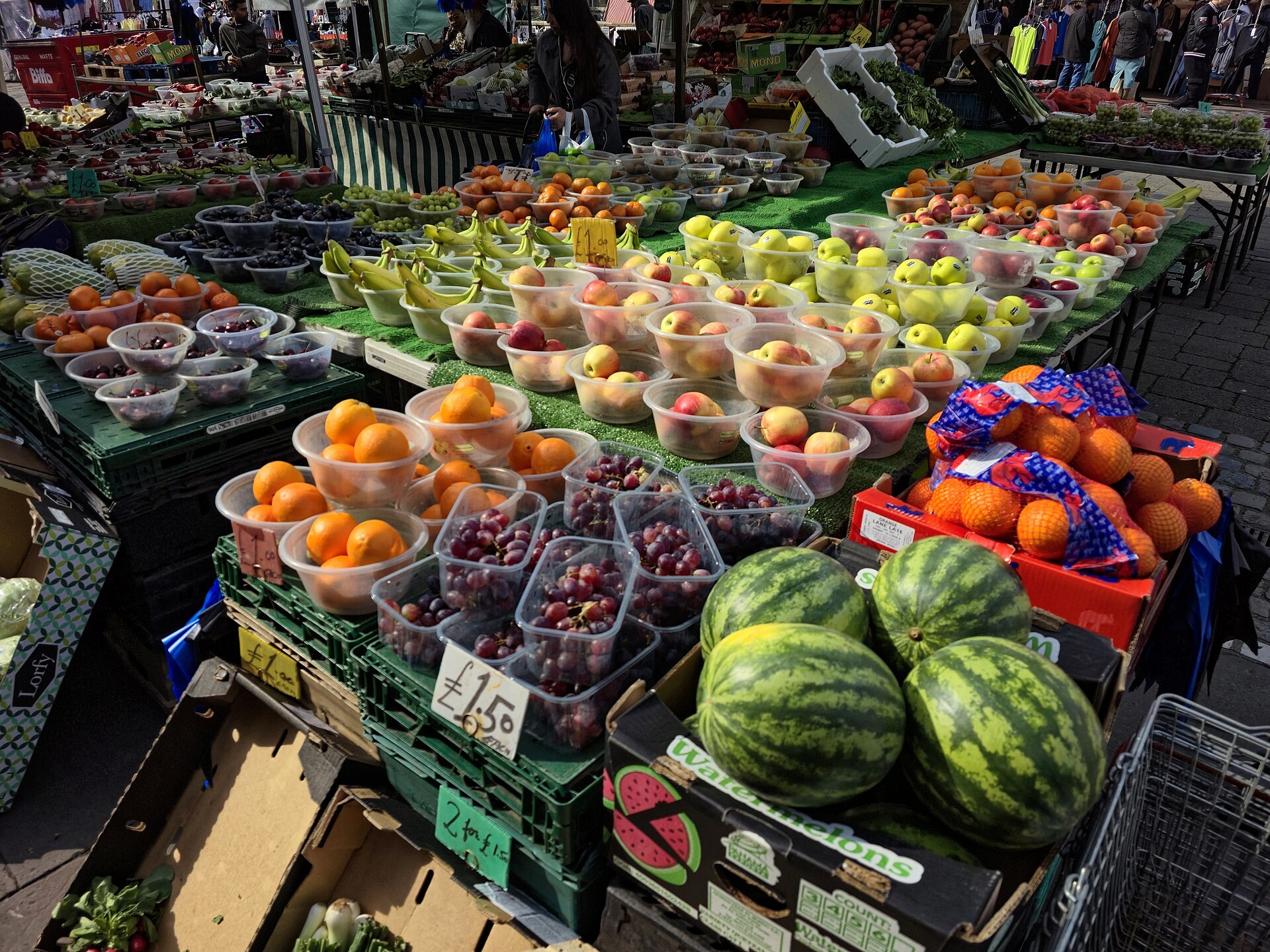
Nutrition advice usually fails in the gap between what studies recommend and what real families can actually do. That is what makes a large Australian study of adolescent fruit consumption so refreshing: its central finding fits in a lunchbox. Researchers followed around 6,500 symptom-free twelve-year-olds for three years and found that each extra daily serve of fruit was linked to measurable health benefits — not a supplement, not a superfood, not a subscription. Just one more piece of fruit, eaten by ordinary teenagers, showing up in the data.
The study adds weight to guidance long published by bodies such as the World Health Organization, which recommends fruit as a cornerstone of a healthy diet while watching much of the world, teenagers especially, fall well short of the target.
Why This Study Design Matters
Most diet research in young people is tangled: teenagers who eat well usually differ from those who do not in a dozen other ways — sleep, sport, household income, parental habits — and studies that start with children who already have symptoms cannot tell cause from comfort eating. This cohort began with symptom-free twelve-year-olds and followed them forward for three years, which strips out much of that fog. When differences emerge between the teenagers who ate an extra daily serve and those who did not, the timeline points in one direction: the fruit came first.
The scale matters too. Six and a half thousand children is large enough for small effects to be measured honestly rather than wished into existence, and three years is long enough for eating patterns to stop being a novelty and become a habit — which is, after all, the thing public health actually needs to change.
What “Measurable Benefits” Looks Like at Thirteen
The benefits tracked in the study were the unglamorous foundations of adolescent health: the physical and wellbeing markers that predict how a teenager feels, functions and develops through the most turbulent growth period of their life. Fruit brings fibre that feeds the gut, potassium and vitamin C, water in edible form, and — just as importantly — displacement: an apple eaten at recess is very often an ultra-processed snack not eaten. Nutrition science increasingly suspects that what whole fruit replaces matters as much as what it provides.
There is a mental dimension researchers keep circling back to. Adolescence is when anxiety and low mood surge, and diet quality has been repeatedly associated with adolescent mental health in cohort studies. A cheap, available, non-stigmatising intervention that nudges those markers in the right direction is worth more than its modest size suggests, because it can actually be deployed — in canteens, in lunchboxes, in the fruit bowl on the kitchen bench that either exists or does not.
The Real Finding: Small Beats Perfect
Perhaps the study’s most useful contribution is rhetorical. Public health messaging about teenage diets tends to arrive as prohibition — less sugar, less salt, less of everything teenagers like — and to be tuned out accordingly. “One more serve” is an addition, not a confiscation. It gives parents a single achievable action and teenagers a single achievable choice, at the exact age when autonomy over food is being negotiated daily.
It also respects economics. Fruit is among the cheapest forms of nutritional insurance available, requires no cooking, no equipment and no literacy in label-reading. Interventions that survive contact with real households share those properties; interventions that require a blender, a subscription and a free Sunday afternoon generally do not.
What Parents and Schools Can Do With This
The practical translation is almost embarrassingly simple: make the extra serve the path of least resistance. Fruit visible at home gets eaten; fruit buried in a fridge drawer becomes compost. Schools that put fruit where the queue forms, priced or provided to compete with the snack shelf, are applying the study rather than merely applauding it. And teenagers themselves respond better to framing around energy, sport, skin and concentration — currencies they value — than to lectures about diseases forty years away.
Three years, six and a half thousand children, and a conclusion your grandmother could have issued: eat another piece of fruit. The value of the research is that it converts that folk wisdom into measured evidence at exactly the age when lifelong habits are set. More health and science stories are in our coverage and on the Techdemis homepage.
