

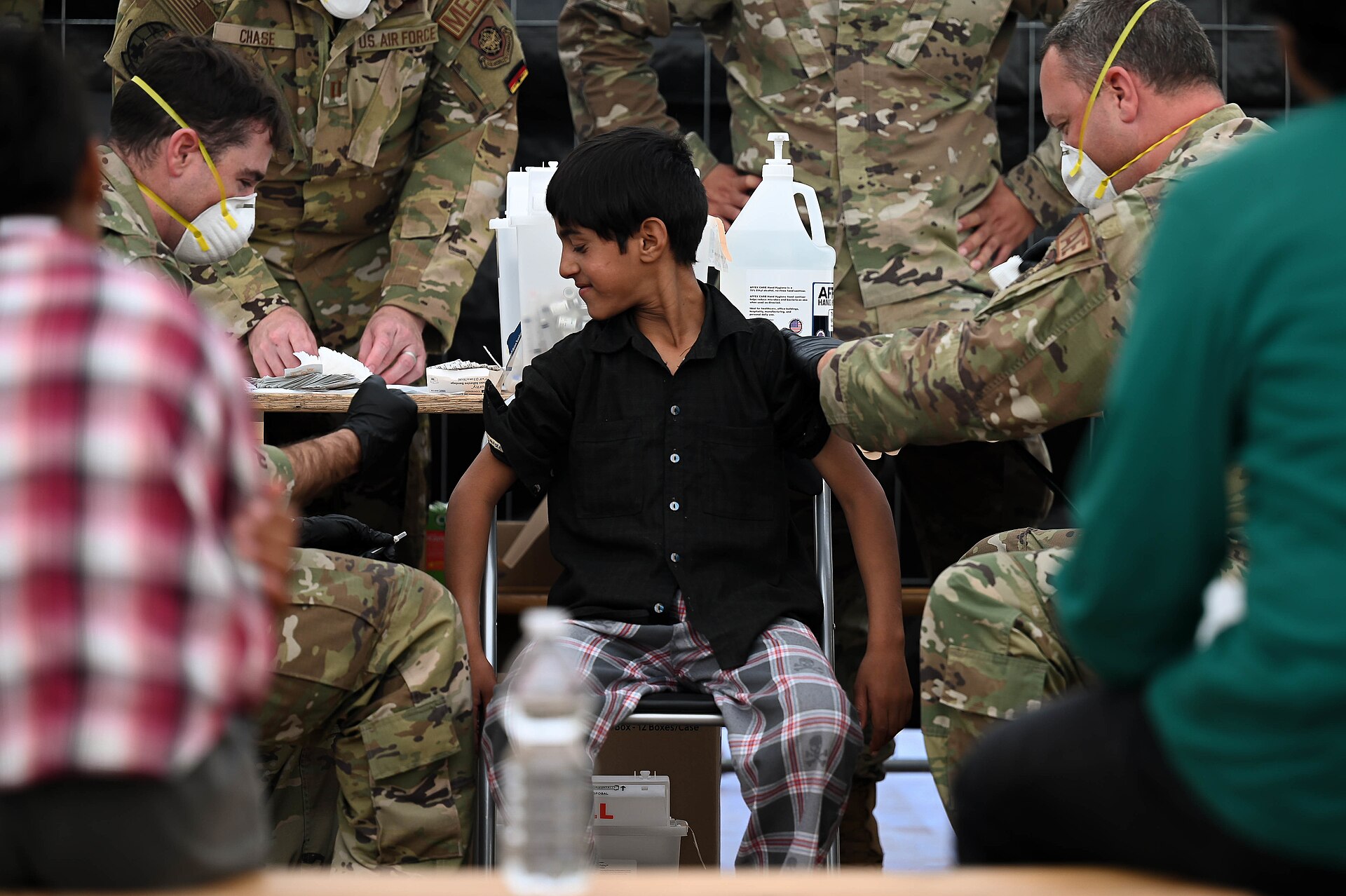
Measles cases in the United States rose by 8 percent in a single week, bringing the national total to 4,410, according to the latest figures. For travellers and community groups, the update is a prompt to check the facts calmly: this article explains how local clusters grow, and how they slow, why cases are climbing, what symptoms to watch for, and what official vaccination guidance actually says. Measles is serious, but it is also preventable, and the response that works best is a practical one based on coverage, early recognition and prompt care.
The weekly increase reflects several drivers working together. Measles spreads extremely easily through the air, so even small pockets of low vaccination coverage can sustain outbreaks once the virus is introduced, often through international travel. Where routine childhood immunisation slipped during recent years, or where families delayed second doses, the virus finds unprotected people faster. Cases then cluster in households, schools and healthcare settings, and each new infection can expose many contacts before the distinctive rash appears.
Symptoms to recognise early
Measles usually begins like a heavy cold: high fever, cough, runny nose and red, watery eyes. Tiny white spots may appear inside the mouth after a few days, followed by a blotchy red rash that starts on the face and spreads downward. People are infectious from about four days before the rash to four days after it appears. Anyone who suspects measles should phone a doctor or clinic before arriving, so staff can limit exposure to others, especially babies and people with weakened immune systems. Our related coverage, explained in this earlier report, also underlines why early, careful action matters in fast-moving health stories.
Most people recover, but complications are not rare. Ear infections and diarrhoea are common; pneumonia is the most frequent serious complication, and encephalitis, an inflammation of the brain, occurs in a small number of cases. Young children, pregnant people and those with compromised immunity face the highest risks. That is why health officials treat every confirmed case seriously, tracing contacts and offering post-exposure vaccination or immunoglobulin where appropriate, ideally within days of exposure.
Vaccination guidance, in plain terms
The MMR vaccine, covering measles, mumps and rubella, remains the central protection. Two doses are about 97 percent effective against measles. Official guidance from the Centers for Disease Control and Prevention measles pages sets out who should be vaccinated and when, including catch-up advice for older children and adults unsure of their status. If you cannot find your records, speak to your clinician: in many cases, receiving MMR again is simpler and safer than blood testing, unless a doctor advises otherwise for your situation.
For travellers and community groups, three steps cover most situations. First, check that children have received both scheduled doses. Second, before international travel, confirm that every family member is protected, since infants may need an early dose on medical advice. Third, if an exposure is announced at a school or workplace, follow local health instructions promptly rather than waiting for symptoms. Vaccination after exposure can still prevent or soften illness when given quickly, which is one reason same-week reporting of cases matters so much.
A cautious reading of the numbers
An 8 percent weekly rise deserves attention, not alarm. Weekly totals move with reporting delays, the size of individual clusters, and how quickly contacts are tested. The longer trend, however, is clear enough: where coverage stays high, measles struggles to spread; where it dips, outbreaks return. Health agencies continue to stress that the vaccine’s safety record is extensive and well studied, and that the risks from the disease itself are far greater than the risks from immunisation.
The path to bringing the total down is unglamorous but proven: steady routine vaccination, honest local data, rapid response to each cluster, and clear communication that respects people’s questions. Families who are unsure should ask their own clinician rather than relying on social media claims. With 4,410 cases now recorded, the goal for the coming weeks is straightforward, to make sure the next weekly update is smaller, by closing the immunity gaps the virus is currently finding.
