

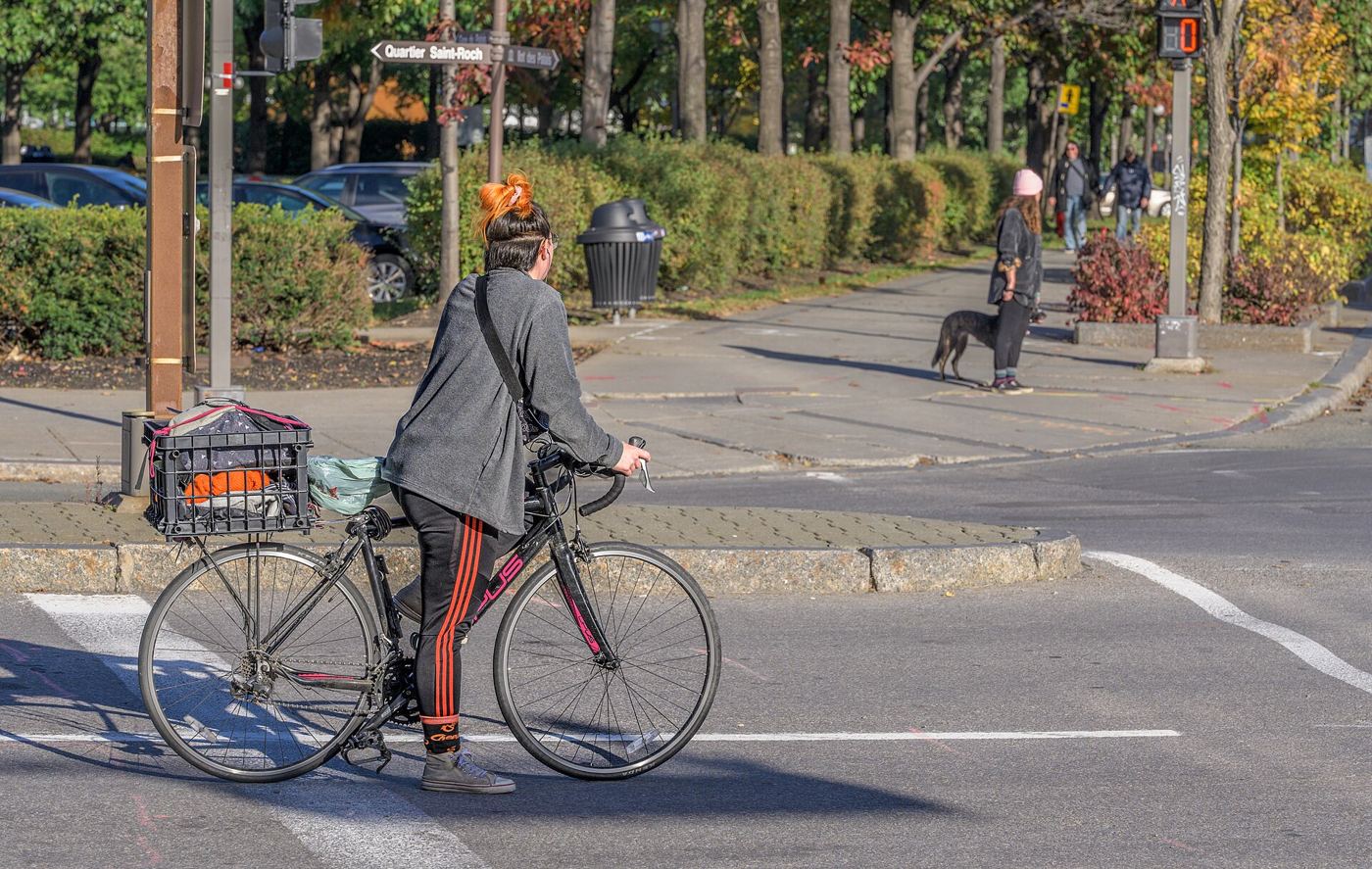
Urban planners are redesigning streets around people on foot and on bicycles, reversing a century in which the car came first. The new designs widen pavements, add protected cycle lanes, plant trees and create places to sit, with the aim of making walking and cycling the easy choice for short journeys. Councils say the change responds to what residents ask for: safer crossings for children, cleaner air, quieter streets and neighbourhoods where a trip to the shops does not require a car. Early results from cities that have tried the approach show more people walking and cycling, fewer collisions and livelier high streets as foot traffic returns. Shopkeepers who once feared losing car parking have in several cases found that people on foot and by bike visit more often and spend more over time. In several cities, the streets with new cycle lanes now carry more shoppers on foot and by bike than they ever carried by car.
What the Evidence Shows
The redesigns are not without controversy, and planners say the arguments often follow a familiar pattern. Drivers complain about longer journeys and lost parking, while some residents worry that changes imposed quickly will disrupt daily routines. Councils that have handled the shift best, experts say, are those that trial changes, listen to feedback and adjust the design rather than presenting a finished plan. Disabled residents and older people need particular attention, since a street that works for a cyclist must also work for a wheelchair user and for someone with limited mobility. Funding remains a challenge, though the cost of a cycle lane is small compared with a new road. For cities, the question is no longer whether streets should change, but how quickly and how fairly the change is made. Reporting and analysis from sources such as BBC News track the same developments, and specialists following walkable cycling city streets say the direction is now consistent across independent lines of evidence.
The Wider Context
The wider context is a public conversation conducted at a speed institutions were not built for. Developments around walkable cycling city streets are announced, contested and revised within a single news cycle, and the officials involved have learned to publish evidence alongside claims so that scrutiny can actually occur. Trust, the polling suggests, follows that transparency more than it follows confidence.
What Happens Next
What happens next in the story of walkable cycling city streets will be decided in the places where it is being implemented, measured and argued about in public. The officials and organisations involved have committed to publishing progress data, and that commitment gives residents, businesses and journalists something firmer than promises to judge. The next milestones are dated, which means they can be checked. You can follow related developments in our coverage of news.
None of this will be settled by a single announcement, study or product launch. The pattern to watch is accumulation: independent confirmations, honest reporting of failures and steady improvement in the underlying numbers. Readers who follow those signals, rather than the loudest claim of the week, will understand this subject better than most of the commentary surrounding it suggests is possible.
